


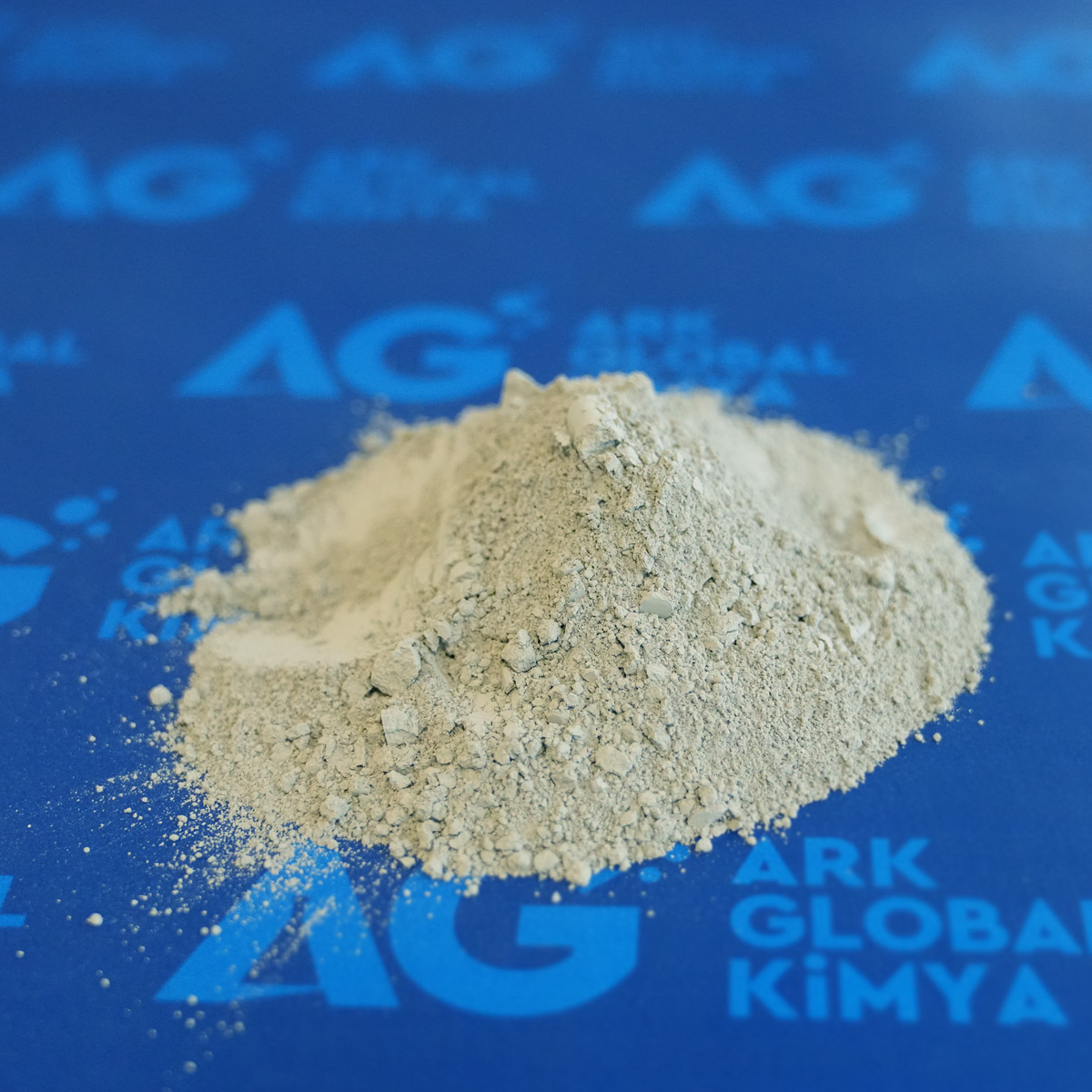
Bleaching Clay
HS Code: 380290
Chemical name: Bleaching Clay
Chemical Formula: Al2Si4O10(OH)2nH2O
Packaging: 25 kg sacks
Appearance: Gray powder
Bleaching Clay Details:
– White to dark gray fine powder.
– Large specific surface area, porosity and high porosity.
– It swells strongly when added to a liquid solvent and It has high viscosity
– Particle size variety: 60-100 micrometers in size.
Description
 Bleaching Clay MSDS Document Bleaching Clay Halal Document Bleaching Clay Technical Analysis Document
What is the Bleaching Clay ?
Bleaching clay, also known as activated clay or bleaching earth, is a type of clay that is used in various industrial processes, particularly in the purification and refining of edible oils and fats. It is commonly used to remove impurities, pigments, and other contaminants from these oils and fats, thereby improving their quality and appearance. Bleaching clay works by adsorbing the impurities and coloring substances, resulting in a cleaner and clearer final product.
Bleaching clay is typically composed of various clay minerals, such as montmorillonite, bentonite, and attapulgite, which have high adsorption capacities. These clays are activated to increase their surface area and adsorptive properties, making them more effective in the removal of impurities. The activation process usually involves treatment with various chemicals or thermal processes to enhance their bleaching capabilities. As Ark Global Kimya, we do Bleaching Clay wholesale and export in Turkey
What is the Bleaching Clay composition?
Bleaching clay, also known as activated clay or bleaching earth, is typically composed of various clay minerals and may contain other components depending on the specific formulation and manufacturing process. The main components of bleaching clay often include:
- Montmorillonite: This is a type of clay mineral with a layered structure that has a high surface area and adsorption capacity, making it effective for removing impurities.
- Bentonite: Bentonite is another clay mineral that is commonly used in the composition of bleaching clay. It has a high cation exchange capacity and swelling properties, which contribute to its adsorptive capabilities.
- Attapulgite: This clay mineral is known for its high porosity and adsorption properties, making it a valuable component in some types of bleaching clays.
What are the applications of Bleaching Earth?
Bleaching earth, also known as bleaching clay or activated clay, has various applications across different industries due to its strong adsorption properties and ability to remove impurities and unwanted substances. Some of the key applications of bleaching earth include:
- Edible oil refining: Bleaching earth is commonly used in the purification and refining of edible oils, including vegetable oils, palm oil, and others. It helps to remove impurities, pigments, and other contaminants, improving the clarity, color, and stability of the oils.
- Mineral oil refining: In the petroleum industry, bleaching earth is used to refine and purify mineral oils, such as lubricating oils and paraffin wax. It helps remove impurities and color bodies, enhancing the quality and marketability of the final products.
- Used oil recycling: Bleaching earth is used in the recycling of used oils, such as used motor oil, to remove contaminants and impurities, allowing the oil to be reused or reprocessed.
- Petrochemical industry: It finds applications in the petrochemical industry for the purification and refining of various petrochemical products, including waxes, greases, and other specialty chemicals.
- Chemical industry: Bleaching earth is used in the purification and decolorization of various chemical compounds and intermediates, helping to improve their quality and appearance.
- Pharmaceutical industry: It is used in the pharmaceutical industry for the purification and refining of pharmaceutical products, including oils, extracts, and other compounds, to ensure they meet the required purity standards.
- Other industrial applications: Bleaching earth may also find use in other industrial processes where the removal of impurities and color bodies is necessary, such as in the production of biofuels, glycerin, and certain food products.
Overall, the strong adsorption capabilities of bleaching earth make it a valuable material for various purification and refining processes in different industries, contributing to the production of high-quality and refined products.
What are the factors that determine the quality of Bleaching Earth?
The quality of bleaching earth can be determined by several key factors that impact its performance and effectiveness in various industrial applications. Some of these factors include:
- Adsorption capacity: The ability of bleaching earth to adsorb impurities, pigments, and other contaminants from oils, fats, and other substances is a crucial indicator of its quality. Higher adsorption capacity often signifies better performance in the purification process.
- Particle size distribution: The particle size distribution of bleaching earth affects its surface area and porosity, which are important for effective adsorption. An optimal particle size distribution can ensure efficient and uniform adsorption throughout the bleaching process.
- pH stability: The pH stability of bleaching earth is essential to maintain its effectiveness during the purification process. Stable pH characteristics help prevent unwanted reactions or degradation that could affect the quality of the final product.
- Thermal stability: The ability of bleaching earth to withstand high temperatures without significant changes in its structure or adsorptive properties is crucial for applications that involve high-temperature processing, such as in the refining of certain oils and petrochemical products.
- Low impurity content: High-quality bleaching earth should have minimal impurities to prevent any contamination of the products being treated. Low levels of impurities ensure that the bleaching earth does not introduce additional contaminants during the purification process.
- Consistency and uniformity: Consistent quality and uniform properties from batch to batch are important for ensuring predictable and reliable performance during industrial processes. A consistent product quality allows for stable and efficient operations in various applications.
- Regulatory compliance: Compliance with relevant industry standards, regulations, and safety requirements is essential for ensuring that the bleaching earth meets the necessary quality and safety standards for its intended applications.
By considering these factors, manufacturers and users of bleaching earth can assess and ensure the quality and suitability of the product for specific industrial applications, thereby achieving the desired purification and refining outcomes.
What should never be used with Bleaching Clay?
When using bleaching clay, it is important to avoid certain substances or conditions that can potentially affect its performance or cause undesirable reactions. Here are some things that should never be used with bleaching clay:
- Strong acids: Bleaching clay should not be used with strong acids, as they can neutralize the adsorption capacity of the clay and reduce its effectiveness in removing impurities. Mixing bleaching clay with strong acids can lead to unwanted chemical reactions and may result in the formation of harmful byproducts.
- Oxidizing agents: Avoid using bleaching clay in the presence of strong oxidizing agents, as they can react with the components of the clay and diminish its adsorption properties. Oxidizing agents can also lead to the degradation of the clay structure, reducing its effectiveness in the purification process.
- High temperatures: Exposing bleaching clay to excessively high temperatures can cause thermal degradation and alter its adsorption capabilities. It is essential to use bleaching clay within the recommended temperature range to maintain its stability and effectiveness during the purification process.
- Contaminated or dirty equipment: Using contaminated or dirty equipment during the handling or application of bleaching clay can introduce impurities into the process, affecting the quality of the final product. It is crucial to ensure that the equipment and tools used in conjunction with bleaching clay are clean and free from any potential contaminants.
- Incompatible chemicals: Avoid using bleaching clay with chemicals that are known to be incompatible or reactive with the components of the clay. Mixing incompatible chemicals can lead to hazardous reactions, potentially causing harm to the equipment, the environment, or the individuals involved in the handling process.
By being mindful of these considerations and following the recommended guidelines for the use of bleaching clay, it is possible to maintain the integrity of the clay and ensure its effectiveness in various purification and refining processes.
Bleaching Clay for edible oil?
Bleaching clay is commonly used in the refining process of edible oils to remove impurities, pigments, and other undesirable substances. The bleaching process helps improve the appearance, stability, and shelf life of the final product.
During the bleaching process, the bleaching clay is mixed with the oil under controlled conditions, allowing the clay to adsorb impurities and unwanted substances, including trace metals, residual soaps, phospholipids, and pigments. The clay also helps to remove any residual catalyst from the hydrogenation process. After the adsorption process is complete, the clay is typically removed from the oil through filtration, leaving behind a cleaner and clearer oil.
It is important to note that the bleaching process is just one step in the overall refining process of edible oils, which may also include other steps such as degumming, neutralization, and deodorization, depending on the specific characteristics of the crude oil and the desired quality of the final product. The careful selection of the type and quality of bleaching clay, as well as the optimization of process parameters, is crucial to achieving the desired level of purification and quality in the edible oil.
The process of using bleaching clay for edible oil typically involves the following steps:
- Mixing: The bleaching clay is mixed with the crude oil under controlled conditions, allowing the clay to adsorb impurities, pigments, and other unwanted substances present in the oil.
- Adsorption: The bleaching clay adsorbs the impurities and unwanted substances from the oil, improving its color and removing any off-flavors or odors.
- Filtration: After the adsorption process is complete, the mixture of bleaching clay and oil is filtered to separate the spent clay from the purified oil.
- Deodorization: In some cases, the oil may undergo a deodorization process to remove any remaining odors and further improve its quality.
By using bleaching clay in the refining process, edible oil producers can achieve a higher-quality end product that meets the desired standards for color, taste, and stability. Properly refined edible oils are essential for various food processing and cooking applications, making the use of bleaching clay an important step in the overall production of high-quality edible oils.
What does bleaching do to oil?
Bleaching is a crucial step in the refining process of edible oils, and it serves to improve the quality, appearance, and stability of the oil. During the bleaching process, bleaching clay or activated carbon is used to remove impurities, pigments, and other unwanted substances from the oil. The bleaching process can have several specific effects on the oil:
- Removal of impurities: Bleaching helps remove impurities such as residual soaps, phospholipids, trace metals, and other contaminants that can affect the taste, odor, and overall quality of the oil. By adsorbing these impurities, the oil becomes cleaner and more suitable for consumption.
- Reduction of color pigments: The presence of color pigments in the oil can impact its appearance and marketability. Bleaching helps reduce the concentration of these pigments, resulting in a lighter and clearer oil with improved visual appeal.
- Improvement of stability: By removing impurities and undesirable substances, bleaching contributes to the improvement of the oil’s stability and shelf life. This is important for maintaining the freshness and quality of the oil over time, ensuring that it remains suitable for various food processing and cooking applications.
- Enhancement of flavor: The removal of impurities and off-flavors during the bleaching process can lead to an improvement in the overall flavor profile of the oil, making it more suitable for use in a wide range of culinary applications.
Overall, the bleaching process plays a significant role in the production of high-quality and refined edible oils, ensuring that the final product meets the desired standards for color, taste, and stability.
How to store Bleaching clay?
Proper storage of bleaching clay is crucial to maintain its quality and effectiveness for various industrial applications. To ensure the optimal performance and longevity of bleaching clay, it is essential to follow these storage guidelines:
- Dry storage: Store bleaching clay in a dry environment to prevent moisture absorption, which can affect its adsorption capacity and performance during the purification process. Moisture can also lead to the formation of lumps or hardening of the clay, making it difficult to use.
- Controlled temperature: Maintain a stable and controlled temperature in the storage area to prevent exposure to extreme heat or cold, which can potentially affect the properties and structure of the bleaching clay. Avoid storing the clay in areas subject to direct sunlight or fluctuating temperatures.
- Airtight containers: Store bleaching clay in airtight containers or packaging to protect it from exposure to air, humidity, and contaminants that could compromise its quality. Airtight packaging helps preserve the integrity of the clay and prevents it from absorbing unwanted substances from the surrounding environment.
- Clean and designated storage area: Store bleaching clay in a clean and designated storage area free from potential contaminants, strong odors, or exposure to other chemicals that could affect its performance. Keep the storage area well-organized and away from sources of potential contamination or chemical exposure.
- Proper handling: When handling and storing bleaching clay, use appropriate equipment and tools to minimize the risk of contamination or damage to the packaging. Follow proper handling procedures to ensure the integrity of the product is maintained throughout the storage period.
By adhering to these storage guidelines, it is possible to preserve the quality and effectiveness of bleaching clay, ensuring that it remains suitable for use in various purification and refining processes within the recommended shelf life
What are the dangers of bleaching clay?
While bleaching clay is generally considered safe when handled properly, there are some potential dangers associated with its use, particularly if proper safety precautions are not followed. Some of the risks and dangers of bleaching clay include:
- Inhalation hazards: Fine particles of bleaching clay can become airborne during handling, leading to potential inhalation hazards. Prolonged exposure to airborne particles may irritate the respiratory system and cause respiratory discomfort or breathing difficulties.
- Skin and eye irritation: Direct contact with bleaching clay can cause skin irritation, redness, or dermatitis, especially for individuals with sensitive skin. Contact with the eyes can lead to irritation, redness, and potential eye damage. It is important to use appropriate personal protective equipment (PPE), such as gloves and goggles, when handling bleaching clay to prevent skin and eye contact.
- Chemical hazards: Certain types of bleaching clay may contain chemicals or additives that could pose specific chemical hazards if mishandled or improperly used. It is crucial to be aware of the specific composition of the bleaching clay and to follow the recommended safety guidelines provided by the manufacturer.
- Combustibility: Although bleaching clay itself is not highly flammable, some types of contaminants or impurities in the clay may present a fire hazard if exposed to heat or flames. It is important to store and handle bleaching clay away from potential ignition sources and to follow appropriate fire safety protocols.
To minimize the risks associated with the use of bleaching clay, it is essential to follow the recommended safety measures, including the use of appropriate PPE, proper ventilation in the working area, and adherence to handling and storage guidelines provided by the manufacturer. It is also crucial to be aware of the specific hazards associated with the type of bleaching clay being used and to follow relevant safety regulations and guidelines.
What does bleaching clay react with?
Bleaching clay, also known as activated clay or bleaching earth, can react with certain substances, chemicals, or compounds under specific conditions. While the reactivity of bleaching clay is generally low, it can interact with various components depending on the specific composition of the clay and the nature of the substances it comes into contact with. Some of the materials that bleaching clay can potentially react with include:
- Acidic compounds: Bleaching clay may react with strong acids, which can neutralize its adsorption capacity and reduce its effectiveness in the purification process. Avoiding contact with strong acids is crucial to maintaining the integrity and performance of the bleaching clay.
- Oxidizing agents: Certain oxidizing agents can react with the components of bleaching clay, leading to changes in its structure and diminishing its adsorption properties. It is important to prevent exposure to strong oxidizing agents to ensure the stability and effectiveness of the bleaching clay.
- High temperatures: Exposing bleaching clay to excessively high temperatures can cause thermal degradation and alter its adsorption capabilities. It is essential to use bleaching clay within the recommended temperature range to prevent any unwanted reactions or changes in its properties.
- Organic compounds: Depending on the specific composition and properties of the organic compounds, bleaching clay may interact with certain organic substances, leading to adsorption or chemical reactions that can affect the overall purification process.
While these are some potential reactive substances, it is crucial to refer to the specific guidelines and recommendations provided by the manufacturer of the bleaching clay. Following proper handling procedures and adhering to the recommended safety precautions can help minimize the risk of undesirable reactions and ensure the optimal performance of the bleaching clay during various industrial applications.


Reviews
There are no reviews yet.