


Magnesium Sulfate
Description
What is the Magnesium Sulfate?
Magnesium sulfate, often referred to as Epsom salt, is a chemical compound that consists of magnesium, sulfur, and oxygen. Its chemical formula is MgSO4. It is named after the town of Epsom in Surrey, England, where the compound was first discovered in natural springs. Magnesium sulfate can be found in hydrated form with different numbers of water molecules attached to its structure. The most common forms include:
Magnesium sulfate heptahydrate (MgSO4·7H2O): This is the most well-known form, often sold as Epsom salt. It is a white, crystalline substance with seven water molecules per magnesium sulfate molecule.
Magnesium sulfate monohydrate (MgSO4·H2O): This form has one water molecule per magnesium sulfate molecule.
Magnesium sulfate has various uses:
Medical Applications: It is used in medicine, particularly in obstetrics, to prevent seizures in pregnant women with conditions like pre-eclampsia or eclampsia. It can also be used to treat magnesium deficiency.
Agricultural Use: It is sometimes used as a fertilizer in agriculture to provide magnesium and sulfur to plants.
Epsom Salt Baths: People often use magnesium sulfate in the form of Epsom salt in baths for relaxation and to soothe sore muscles. However, the scientific evidence supporting the absorption of magnesium through the skin in this context is limited.
Industrial Processes: It is employed in various industrial processes, including the production of textiles, paper, and as a drying agent in some commercial products.
It’s important to note that while magnesium sulfate can have beneficial uses, it should be used with caution, especially in medical applications, and under the guidance of healthcare professionals, as excessive intake can lead to adverse effects.
Physical properties of Magnesium Sulfate
The physical properties of magnesium sulfate vary depending on its hydration state. The most common forms encountered are the heptahydrate (MgSO₄·7H₂O), monohydrate (MgSO₄·H₂O), and anhydrous (MgSO₄) forms. Here are some key physical properties of magnesium sulfate:
Heptahydrate (Epsom Salt): White, crystalline solid. Commonly encountered in everyday use.
Monohydrate: White, crystalline solid.
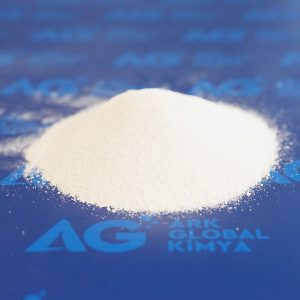
Anhydrous: White, crystalline powder.
Odor: Magnesium sulfate is typically odorless.
Taste: It has a bitter taste.
Solubility in Water: Highly soluble in water. The solubility increases with higher temperatures.
Melting Point: The heptahydrate does not have a distinct melting point but tends to undergo dehydration when heated. The monohydrate can lose its water of hydration at around 150°C (302°F).
Boiling Point: Magnesium sulfate decomposes before reaching a boiling point. The anhydrous form can decompose at high temperatures.
Density: The density varies with the hydration state. For example, the density of the heptahydrate is approximately 1.68 g/cm³.
Crystal Structure: The crystal structure of magnesium sulfate varies with its hydration state, and it has a specific arrangement of ions in the crystal lattice.
Hygroscopicity: The heptahydrate form is hygroscopic, meaning it has a tendency to absorb moisture from the air. This can lead to clumping or caking if not stored properly.
pH: Magnesium sulfate solutions are generally neutral. The pH can be influenced by impurities or the presence of other substances in the solution.
Appearance: The heptahydrate form (Epsom salt) commonly appears as colorless or white crystals. The monohydrate and anhydrous forms can also appear as white crystalline solids or powder.
Molecular Weight: The molecular weight varies with the hydration state. For example, the molecular weight of the heptahydrate is approximately 246.47 g/mol.
Understanding these physical properties is important for various applications, including medical, agricultural, industrial, and personal care uses of magnesium sulfate. The specific form and properties can influence its behavior in different environments and applications.
What are the applications of Magnesium sulfate?
Magnesium sulfate (MgSO4) has various applications across different industries and fields. Some of the common applications include:
Treatment of Magnesium Deficiency: Magnesium sulfate is used in medical settings to treat magnesium deficiencies in the body.
Prevention of Seizures in Pregnancy: It is employed in obstetrics to prevent seizures in pregnant women with conditions like pre-eclampsia or eclampsia.
Fertilizer: Magnesium sulfate is used as a source of magnesium and sulfur in fertilizers to enhance plant growth and development.
Textile Industry: In the textile industry, magnesium sulfate is used as a drying agent in the manufacturing process.
Paper Industry: It is employed in the production of paper to improve the quality of paper fibers.
Chemical Industry: Magnesium sulfate is used in various chemical processes and reactions.
Brewing: It may be used in the brewing industry to adjust the mineral content of water used in the brewing process.
Food Additive: In some cases, magnesium sulfate is used as a mineral supplement or firming agent in food processing.
Gardening and Agriculture: Epsom salt (magnesium sulfate heptahydrate) is often used by gardeners to improve magnesium levels in soil and promote plant growth.
Bath Salts: Epsom salt, a form of magnesium sulfate, is commonly used in bath salts for relaxation and to soothe sore muscles. However, the scientific evidence supporting the absorption of magnesium through the skin in this context is limited.
It’s important to note that while magnesium sulfate has these applications, its use should be in accordance with recommended guidelines and under appropriate supervision, especially in medical and agricultural contexts. Excessive use or consumption can lead to adverse effects, and individuals should always consult with professionals before using it for therapeutic purposes.
What does magnesium sulfate react with?
Magnesium sulfate (MgSO₄) can react with various substances depending on the conditions and the specific form of magnesium sulfate. Here are some common reactions:
Water: Magnesium sulfate readily dissolves in water. When hydrated forms of magnesium sulfate dissolve, they release magnesium ions (Mg²⁺) and sulfate ions (SO₄²⁻) into the solution.
Bases (Alkalis): Magnesium sulfate reacts with bases to form magnesium hydroxide. For example:
MgSO4+2NaOH→Mg(OH)2+Na2SO4
Carbonates: Magnesium sulfate reacts with carbonates to form magnesium carbonate. For example:
MgSO4+Na2CO3→MgCO3+Na2SO4
Metals: Magnesium sulfate can react with certain metals to form sulfate salts and release magnesium. For example, with zinc:
MgSO4+Zn→ZnSO4+Mg
Acids: Magnesium sulfate does not react with non-oxidizing acids (such as hydrochloric acid) under normal conditions. However, it may react with strong acids under specific conditions.
Combustion: Magnesium sulfate does not undergo combustion on its own. It is not a combustible substance.
It’s important to note that the specific reactions can vary depending on factors such as the concentration of the solution, temperature, and the specific forms of magnesium sulfate (e.g., anhydrous, heptahydrate, monohydrate).
What are the factors that determine the quality of Magnesium sulfate ?
The quality of magnesium sulfate can be influenced by various factors, and these considerations depend on the intended use of the compound. Here are some key factors that determine the quality of magnesium sulfate:
Purity: The purity of magnesium sulfate is a crucial factor. High-quality magnesium sulfate should be free from impurities and contaminants. The presence of impurities can affect its performance and suitability for certain applications.
Hydration State: Magnesium sulfate can exist in different hydration states, such as heptahydrate (MgSO₄·7H₂O), monohydrate (MgSO₄·H₂O), or anhydrous form. The hydration state can impact its solubility, stability, and effectiveness in specific applications.
Particle Size and Crystal Structure: The particle size and crystal structure of magnesium sulfate can influence its reactivity and dissolution rate. Fine particles may have different properties compared to coarser particles, and the crystal structure can affect how it dissolves in water or interacts with other substances.
Heavy Metal Content: The presence of heavy metals as impurities in magnesium sulfate can be a concern, especially in applications where the compound is used in pharmaceuticals, food additives, or other sensitive industries. Low levels of heavy metal contaminants are typically desirable.
Acidity/Alkalinity: The pH of magnesium sulfate solutions can be important, especially in applications where a specific pH range is required. The acidity or alkalinity of magnesium sulfate can be influenced by impurities or the manufacturing process.
Manufacturing Process: The method of production can impact the quality of magnesium sulfate. Different manufacturing processes may yield products with varying levels of purity and physical characteristics.
Compliance with Standards: Meeting industry and regulatory standards for magnesium sulfate is crucial for ensuring its quality and safety. Different applications may have specific quality requirements, and compliance with relevant standards is essential.
Storage Conditions: Proper storage conditions, including protection from moisture and exposure to air, are important to maintain the quality of magnesium sulfate. Hydrated forms may be prone to clumping or caking if exposed to humidity.
When assessing the quality of magnesium sulfate, it’s important to consider these factors in the context of the specific application or industry requirements.
What should never be used with Magnesium sulfate?
While magnesium sulfate is generally safe for various applications, there are specific substances or conditions with which it should not be used or combined due to potential risks or adverse reactions. Here are some considerations:
Incompatibility with Certain Medications: Magnesium sulfate may interact with certain medications, and its use should be carefully monitored, especially in medical settings. It is important to consult with healthcare professionals to ensure that there are no contraindications with specific drugs.
Aluminum-containing Antacids: The simultaneous use of magnesium sulfate with aluminum-containing antacids can lead to the formation of insoluble compounds in the gastrointestinal tract. This combination should be avoided to prevent the reduction of magnesium absorption.
Phosphate-containing Solutions: Mixing magnesium sulfate with phosphate-containing solutions can result in the formation of insoluble magnesium phosphate. This can occur in intravenous (IV) solutions and should be avoided to prevent the formation of precipitates.
Calcium-containing Solutions: Magnesium sulfate may interact with calcium-containing solutions, leading to the formation of insoluble calcium sulfate. This interaction can occur in IV solutions, so it’s important to avoid combining magnesium sulfate with calcium-containing solutions.
Certain Heart Medications: Magnesium sulfate can affect the action of certain heart medications, particularly those that influence heart rate and rhythm. Healthcare professionals should carefully monitor patients receiving magnesium sulfate in conjunction with these medications.
Dehydrated Patients: Magnesium sulfate can cause dehydration, and its use should be cautious in patients who are already dehydrated. Adequate hydration status should be maintained during magnesium sulfate administration.
Excessive Doses: Excessive doses of magnesium sulfate can lead to hypermagnesemia, which can result in serious complications, including muscle weakness, respiratory depression, and cardiac arrest. It is crucial to use magnesium sulfate under proper medical supervision and follow recommended dosage guidelines.
Individual Allergies or Sensitivities: Individuals with known allergies or sensitivities to magnesium sulfate should avoid its use. Allergic reactions can manifest as skin rashes, itching, or more severe symptoms.
Always consult with healthcare professionals, pharmacists, or experts in the specific field of application to ensure that magnesium sulfate is used safely and appropriately, considering any potential interactions or contraindications.
How to store magnesium sulfate?
Proper storage of magnesium sulfate is important to maintain its quality and prevent contamination. Here are some guidelines for storing magnesium sulfate:
Dry Environment: Magnesium sulfate should be stored in a dry environment to prevent the absorption of moisture, especially for hygroscopic forms like the heptahydrate. Moisture can lead to clumping or caking of the crystals.
Airtight Containers: Store magnesium sulfate in airtight containers to minimize exposure to air and prevent oxidation or degradation. This is particularly important for anhydrous or less hydrated forms.
Avoid Contaminants: Keep magnesium sulfate away from contaminants, including dust, dirt, and other chemicals. Contamination can affect the purity of the compound.
Cool and Controlled Temperature: Store magnesium sulfate in a cool and controlled temperature environment. Excessive heat can cause the compound to lose water of hydration, while extreme cold may affect its physical properties.
Labeling: Clearly label the storage containers with the type of magnesium sulfate and any relevant information, including expiration dates if applicable. This helps prevent confusion and ensures that the right product is used.
Keep Away from Incompatible Substances: Store magnesium sulfate away from incompatible substances, such as moisture-sensitive materials, aluminum-containing compounds, phosphate-containing solutions, and calcium-containing solutions, to avoid unwanted reactions.
Secure Storage Area: Store magnesium sulfate in a secure area, especially in industrial settings. Ensure that it is kept out of reach of unauthorized personnel, and follow any safety regulations or guidelines for storage.
Check for Contamination: Regularly inspect stored magnesium sulfate for any signs of contamination, discoloration, or changes in physical appearance. If any issues are detected, investigate and address them promptly.
Follow Manufacturer’s Recommendations: Adhere to any specific storage recommendations provided by the manufacturer. Different forms of magnesium sulfate may have unique storage requirements.
Safety Precautions: Follow appropriate safety precautions when handling and storing magnesium sulfate. This includes wearing appropriate personal protective equipment (PPE) and ensuring that the storage area is well-ventilated.
Always refer to the product’s safety data sheet (SDS) and follow any specific storage instructions provided by the manufacturer. Proper storage practices help ensure the longevity and quality of magnesium sulfate for its intended applications.


Reviews
There are no reviews yet.