


Sodium Nitrate
HS Code: 310250
Chemical name: Sodium Nitrate (Chilean salt)
Chemical Formula: NaNO3
Packaging: 50 kg sacks
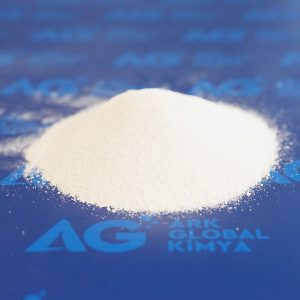
Appearance: White powder
Main use area: Nitric acid production , Fireworks oxidizer, Nitric acid production
Sodium nitrate (NaNO3) is a chemical compound composed of sodium ions (Na+) and nitrate ions (NO3−). It is a type of salt and exists as a white, crystalline solid at room temperature. Sodium nitrate is highly soluble in water, and it has various industrial, agricultural, and food-related applications. As Ark Global Kimya, we do Sodium Nitrate wholesale and export in Turkey
Description
Sodium Nitrate Usage Areas:
Food Preservative: Sodium nitrate is often used as a food preservative, particularly in cured meats like bacon, sausages, and ham. It helps prevent the growth of bacteria and enhances the color of the meat.
Fertilizer: It is used in the production of fertilizers, as a source of nitrogen, which is an essential nutrient for plant growth.
Pyrotechnics: Sodium nitrate is also employed in the production of fireworks and pyrotechnics.
Explosives: In the past, sodium nitrate was used in the manufacture of explosives, although its use for this purpose has decreased over time.
Glass Production: It can be used in the production of some types of glass.
Concerns: While sodium nitrate is generally recognized as safe when used in appropriate amounts in food, there has been some concern about the potential formation of nitrosamines, which are compounds that may have carcinogenic properties, especially when sodium nitrate is exposed to certain conditions, such as high temperatures and certain types of cooking processes.
Pyrotechnics: The compound is employed in the production of fireworks and other pyrotechnic devices. Its oxidizing properties contribute to the vibrant colors observed in fireworks displays.
Glass Production: Sodium nitrate is used in certain types of glass manufacturing. It can act as a flux, helping to lower the melting point of the glass and improve its overall quality.
Heat Transfer Fluids: In some industrial processes, sodium nitrate is used as a heat transfer fluid. It can be utilized in solar power plants and other systems where its ability to retain and transfer heat is beneficial.
Chemical Synthesis: Sodium nitrate serves as a precursor in the synthesis of various chemicals. It can be involved in the production of other nitrogen-containing compounds.
Medicine: In the past, sodium nitrate was used for certain medicinal purposes, including as a vasodilator to treat angina. However, its medical use has diminished due to safety concerns.
Preservation of Historic Artifacts: Sodium nitrate has been used in the preservation of historic artifacts, particularly in the conservation of wood and other materials susceptible to decay and insect damage.
What are the factors that determine the quality of Sodium nitrate?
The quality of sodium nitrate is influenced by several factors that are important to consider in its production, handling, and application. These factors can impact its purity, effectiveness, and suitability for various purposes. Here are some key factors that determine the quality of sodium nitrate:
Purity: The purity of sodium nitrate is a critical factor. Higher purity levels are desirable for many applications, such as in the food industry and certain chemical processes. Impurities can affect the performance and safety of the compound.
Moisture Content: The moisture content of sodium nitrate is crucial, especially in applications where moisture can impact the quality of the product. Moisture can affect the flow properties, stability, and shelf life of sodium nitrate.
pH Level: The pH level of sodium nitrate can be important in specific applications. For example, in some chemical processes or applications, the pH of the sodium nitrate may need to be controlled or adjusted.
Particle Size: The particle size of sodium nitrate particles can influence its solubility, reactivity, and other physical properties. In certain applications, such as in the production of explosives or pyrotechnics, a specific particle size may be required for optimal performance.
Impurities and Contaminants: The presence of impurities and contaminants, such as heavy metals, chlorides, sulfates, and other substances, can affect the quality and safety of sodium nitrate. Strict quality control measures are implemented to minimize impurities.
Storage and Handling Conditions: Proper storage and handling conditions are essential to maintaining the quality of sodium nitrate. Exposure to moisture, contaminants, or extreme temperatures during storage can degrade the quality of the product.
Compliance with Standards: Conformance to established industry standards and specifications is crucial. Sodium nitrate intended for certain applications, such as food or pharmaceuticals, must meet specific regulatory requirements and standards to ensure safety and efficacy.
Intended Use: The quality requirements may vary depending on the intended use of sodium nitrate. For example, food-grade sodium nitrate must meet different criteria compared to industrial-grade sodium nitrate used in other applications.
Packaging: The choice of packaging materials and methods can impact the quality of sodium nitrate during transportation and storage. Proper packaging helps prevent contamination and ensures the product’s integrity.
Manufacturers and suppliers typically perform rigorous quality control and testing procedures to ensure that sodium nitrate meets the required specifications for a particular application. Compliance with regulatory standards and customer specifications is essential to guarantee the quality and safety of sodium nitrate.
What should never be used with sodium nitrate?
Certain substances and conditions should be avoided when working with or using sodium nitrate due to safety concerns. Here are some things that should never be used or combined with sodium nitrate:
Reductants: Substances that act as reductants or reducing agents, such as organic materials, strong reducing agents, or combustible materials, should be kept away from sodium nitrate. Mixing sodium nitrate with reductants can lead to the potential for combustion or even explosive reactions.
Acids: Strong acids should not be mixed with sodium nitrate. The reaction between sodium nitrate and strong acids can release toxic nitrogen dioxide gas and may result in hazardous conditions.
Metal Powders: Metal powders, especially reactive metals like aluminum or magnesium, should not be combined with sodium nitrate. Such mixtures can be explosive and pose a serious safety risk.
Combustible Materials: Sodium nitrate should be kept away from combustible materials, open flames, or sources of heat. It is an oxidizing agent, and when combined with combustible materials, it can enhance the intensity of fires.
Reduced Spaces or Confined Areas: Sodium nitrate should not be used or stored in confined spaces or areas with poor ventilation. If there is a release of nitrogen dioxide gas, adequate ventilation is crucial to prevent the buildup of potentially harmful concentrations.
Organic Materials: Sodium nitrate should not be stored or come into contact with organic materials, especially in the presence of heat or ignition sources. The combination of sodium nitrate and organic materials may lead to the formation of potentially explosive compounds.
Excessive Heat: Sodium nitrate should be stored away from excessive heat sources. Elevated temperatures can lead to decomposition and the release of toxic gases.
Incompatible Chemicals: It’s important to avoid mixing sodium nitrate with incompatible chemicals. Always refer to safety data sheets and chemical compatibility charts to identify substances that should not be combined with sodium nitrate.
Moisture: Sodium nitrate should be protected from moisture. Exposure to water or high humidity can lead to caking, and in some cases, it may promote the formation of nitrogen dioxide.
Uncontrolled Conditions: Sodium nitrate should not be used in uncontrolled conditions or processes. Careful handling, storage, and use procedures should be followed to minimize the risk of accidents.
How to store Sodium Sodium nitrate?
Storing sodium nitrate (NaNO3) properly is crucial to ensure safety and maintain its quality for various applications. Here are general guidelines for the storage of sodium nitrate:
Dry Storage: Sodium nitrate should be stored in a cool, dry place to prevent the absorption of moisture. Moisture can lead to caking and affect the quality of the product.
Ventilation: Ensure proper ventilation in the storage area to prevent the buildup of potentially harmful gases in case of decomposition. Adequate ventilation is particularly important if there is a risk of nitrogen dioxide gas release.
Avoid Contamination: Store sodium nitrate away from incompatible materials, including reductants, acids, organic materials, and combustible substances. Contamination can lead to safety hazards and degrade the quality of the product.
Separation from Incompatible Chemicals: Keep sodium nitrate separated from other chemicals, especially those that are incompatible. Clearly label storage areas and containers to prevent accidental mixing.
Avoid Elevated Temperatures: Store sodium nitrate away from heat sources and direct sunlight. Elevated temperatures can lead to decomposition and the release of toxic gases.
Use Appropriate Containers: Store sodium nitrate in appropriate containers made of materials that are compatible with the chemical. Commonly used containers include plastic, glass, or lined metal containers.
Prevent Physical Damage: Take measures to prevent physical damage to containers, such as dropping or mishandling, which could lead to spills or leaks.
Control Access: Limit access to sodium nitrate storage areas to authorized personnel only. Post clear warning signs and provide proper training to those handling or working in proximity to the stored material.
Emergency Equipment: Have emergency equipment, such as fire extinguishers and spill response kits, readily available in the storage area. Ensure that personnel are trained in emergency response procedures.
Monitoring: Regularly monitor the storage conditions, including temperature and humidity levels, to ensure they remain within the recommended range.
Compliance with Regulations: Follow relevant safety regulations and guidelines for the storage of sodium nitrate. Be aware of local, state, and national regulations governing the storage of hazardous materials.
Always refer to the specific safety data sheet (SDS) provided by the manufacturer for detailed information on the proper storage and handling of sodium nitrate. The SDS includes important safety instructions, hazard information, and emergency response procedures. Additionally, consult with safety professionals or experts in chemical handling to ensure compliance with best practices and regulations.
What does sodium nitrate react with?
Sodium nitrate (NaNO3) can react with various substances, and the nature of these reactions depends on the specific conditions, the presence of other reactants, and the intended purpose. Here are some common reactions that sodium nitrate can undergo:
Reduction Reactions: Sodium nitrate can undergo reduction reactions, where it donates oxygen atoms. For example, in the presence of a reducing agent, sodium nitrate can be reduced to form nitrogen oxides, releasing oxygen. This is often utilized in pyrotechnics and fireworks.
2NaNO3→2NaNO2+O2
Acid-Base Reactions: Sodium nitrate can react with acids or bases to form corresponding salts. For instance, reacting sodium nitrate with hydrochloric acid (HCl) produces sodium chloride (NaCl) and nitric acid (HNO3):
NaNO3+HCl→NaCl+HNO3
Combustion and Oxidation Reactions: Sodium nitrate is an oxidizing agent and can support combustion. It can react with combustible materials, releasing oxygen and enhancing the combustion process.
6NaNO3+C6H12O6→6CO2+6H2O+N2+O2
Formation of Nitrosamines (Concern in Food Preservation): In the presence of certain conditions (such as high temperatures and acidic environments), sodium nitrate used in food preservation can react with amino acids to form nitrosamines. Nitrosamines are compounds that are a concern due to their potential carcinogenic properties.
Decomposition at High Temperatures: Sodium nitrate can decompose at high temperatures, releasing oxygen and nitrogen dioxide gas:
2NaNO3→2NaNO2+O2+NO2
Reaction with Metals: Sodium nitrate can react with certain metals to form corresponding nitrates. For example, with copper (Cu):
3Cu+8HNO3→3Cu(NO3)2+2NO+4H2O


Reviews
There are no reviews yet.